The Ultimate Guide to Native Plants Canada: Ecology, Regions, and Garden Design
Tired of fighting frozen lawns and dead exotic shrubs every single spring? The secret to a truly resilient yard is native plants Canada, which offer a proven solution engineered by thousands of years of harsh evolution. Choosing native plants Canada for your property isn’t just a fleeting trend; it’s a calculated way to cut water bills by $50 to $150 annually while reviving collapsed local ecosystems. So, what’s the catch? There really isn’t one, assuming you understand basic soil mechanics. We will show you exactly how to build a zero-maintenance habitat that thrives without constant chemical life support or endless weekend labor.
- Traditional lawns consume resources; native gardens regenerate ecosystems through deep-rooted biodiversity.
- Keystone species like native oaks act as biological hubs, supporting five hundred caterpillar species.
- Assisted migration replaces static hardiness zones, ensuring garden resilience against rapid Canadian climate shifts.
Understanding Native Plants: What They Are and Why They Matter
Before you rush out to buy 50 random seedlings, you absolutely must grasp basic botanical definitions. This local flora isn’t just a bunch of random weeds behind a fence; it is a highly tuned biological engine adapted to your specific climate, soil, and wildlife over the last 10,000 years.
Defining Native Plants: A Simple Explanation
What exactly makes a plant truly local? Strictly speaking, canadian native plants are species that naturally grew in North America prior to European colonization. They evolved in lockstep with local bugs, birds, and soil microbes. Planting these specific species is effective for ecological restoration if the project is at the initial planning stage. However, in the context of heavily compacted urban soils, this may not work without 1 to 2 years of deep soil remediation. Authentic indigenous plants Canada don’t need pampering; they simply survive -30°F winters and aggressive summer droughts because their genetics demand it. These plants represent the ultimate form of biodiversity, providing food and shelter that exotic species simply cannot offer.
The Power of Keystone Species: The Ecosystem’s Engine
In 2026, we recognize that not all native plants Canada are created equal. Keystone species, particularly native oaks (Quercus), function as the biological hubs of the landscape. A single white oak can support over 500 species of caterpillars, which in turn feed the entire local bird population. Integrating these heavy-hitters is the fastest way to turn a silent yard into a vibrating ecosystem.
Native vs. Invasive vs. Introduced Species: Key Differences
Gardeners routinely confuse naturalized weeds with actual indigenous species. Let’s draw a hard line so you don’t accidentally plant an aggressive invader masquerading as a harmless, pretty bloom.
Here is a breakdown of the three main plant categories you will encounter at the nursery:
| Plant Type | Origin & History | Ecological Impact on Yard | Canadian Example |
| Native | Evolved locally for millennia | Supports local food webs and native bugs | Echinacea purpurea |
| Introduced | Brought intentionally by humans | Neutral (doesn’t help, doesn’t spread fast) | Common Lilac Bush |
| Invasive | Imported and spreads aggressively | Chokes out native flowers Canada, kills diversity | Japanese Knotweed |
Understanding this table prevents you from making a $2,000 eradication mistake a few years down the line. It is the cornerstone of eco-friendly gardening Canada to know exactly what you are putting in the ground.
The Ecological Importance: Pollinators, Soil Health, and Climate Resilience
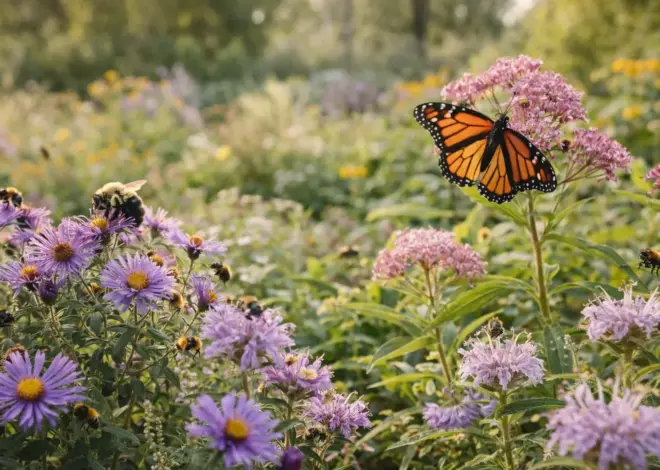
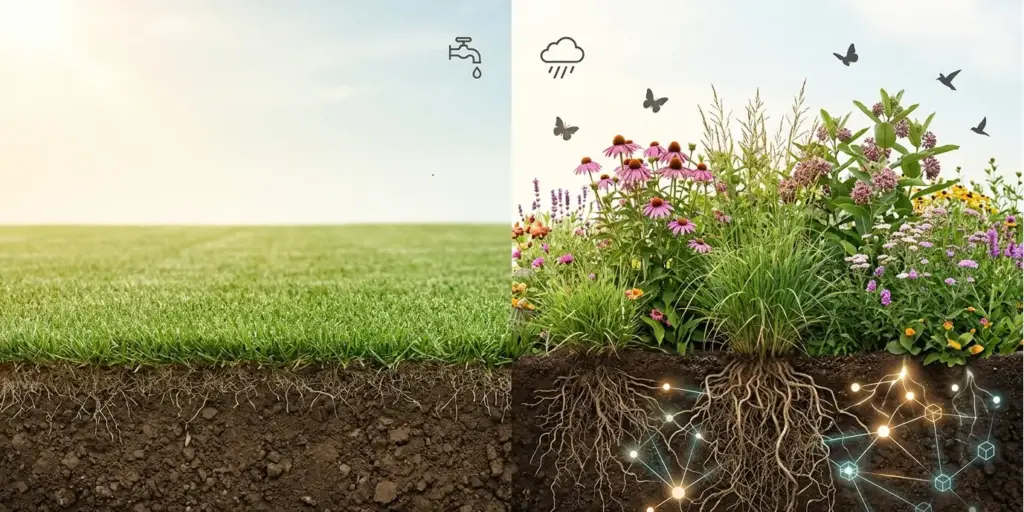
You simply can’t measure ecological value purely by aesthetics. Prairie grass roots plunge 8 to 15 feet deep, aggressively pulling carbon from the air and stopping topsoil erosion dead in its tracks. According to reports from the Canadian Wildlife Federation (2022, Ottawa), planting canadian native plants on suburban lots is a critical step in reversing pollinator decline, providing the specific nectar and host requirements for species like the Monarch butterfly.
- Drought Resistance: Deep-rooted indigenous species slash irrigation needs, outperforming shallow turf grass in extreme drought conditions.
- Zero Chemical Needs: They slash the need for synthetic fertilizers and chemical pesticides, forming the backbone of eco-friendly gardening Canada.
- Specific Caterpillar Food: They provide the exact chemical compounds caterpillars require (many insects are monophagous and simply can’t digest alien leaves).
- Soil Mycorrhizal Bonding: They actively repair dead dirt by forming symbiotic relationships with underground fungi, improving soil health for a 5-mile radius.
- Pollinator-friendly Corridors: Even a small patch creates a vital link for bees and butterflies moving through urban deserts.
The Rhizosphere and Carbon Sequestration
Beyond what we see above ground, native wildflowers Canada manage a complex underground network called the rhizosphere. Through symbiotic relationships with mycorrhizal fungi, these plants pump liquid carbon into the soil, creating a stable microbiome that stores more greenhouse gases than traditional turf lawns. This process improves soil structure and natural water filtration.
Native Plants Across Canada: Regions and Ecosystems
You can’t just grab a flower from a coastal rainforest and expect it to survive in an Atlantic blizzard. This country’s massive geography dictates strict zoning rules. Matching the exact species to your specific eco-region is the absolute only way your garden survives.
Cozones & Hardiness Zones: Your Visual Key
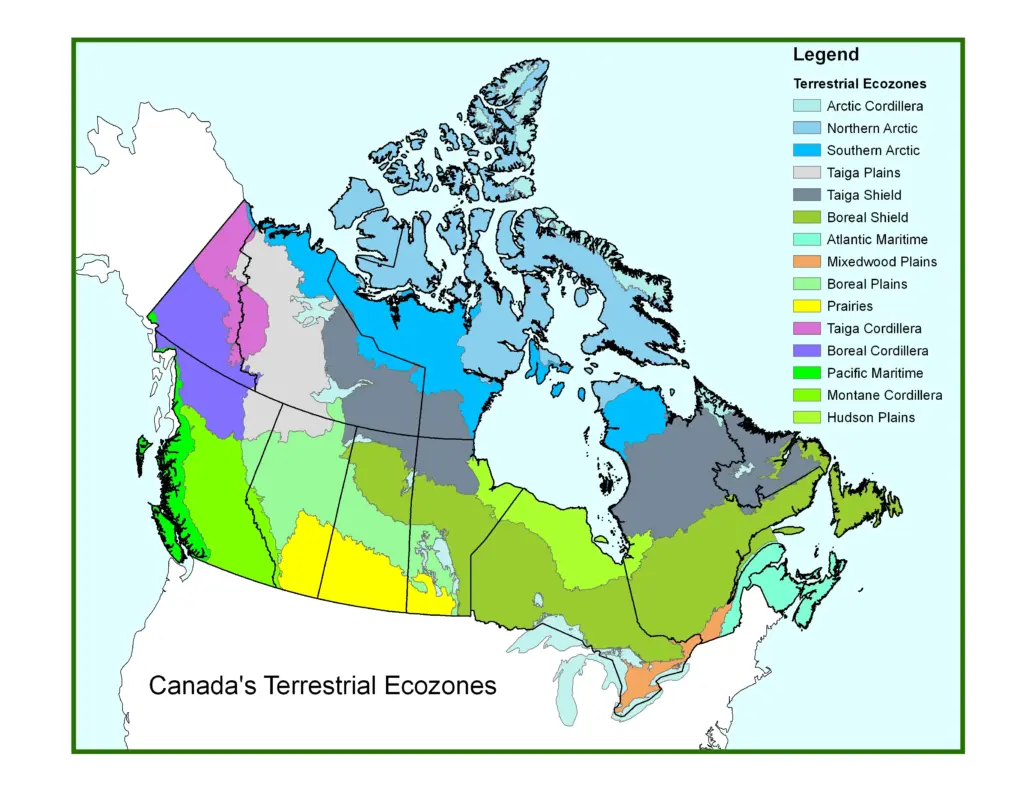
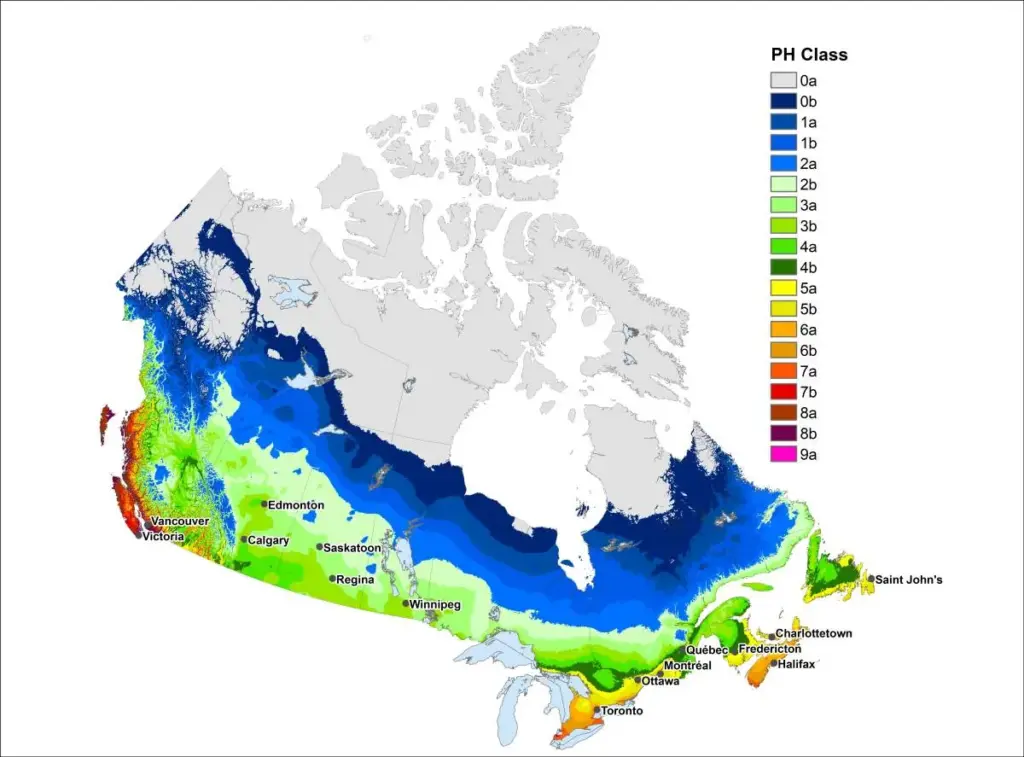
Canada consists of 15 different ecozones and plant hardiness zones from 0a to 9a. To make your native plants thrive without constant watering or chemicals, you must combine two layers at the same time:
- Ecozone — the correct ecotype (soil, rainfall, local insects and microbes)
- Hardiness zone — guaranteed winter survival (updated 2025 data)
1. 15 Terrestrial Ecozones of Canada (The colours instantly show exactly where you live)
2. Plant Hardiness Zones 1991–2020 (the newest 2025 version)
Western Canada: British Columbia, Alberta, Saskatchewan, and Manitoba
The West is a massive land of extremes, shifting violently from wet coastal rainforests to bone-dry, windy prairies. In British Columbia, you will find species requiring highly acidic soil and 60 to 80 inches of annual rain. Moving east into Alberta and Saskatchewan, indigenous plants Canada face wild, unpredictable temperature swings where Wild Rose and Prairie Crocus handle a mere 12 to 16 inches of annual rainfall perfectly. Sourcing these dry-climate species is effective for prairie restoration if the project is at the mature planting stage on open land.
Detailed descriptions of the unique floral symbols and specialized species of Western Canada are available in our regional guide.
Native wildflowers Canada in this region have adapted to the “rain shadow” effect of the Rockies. They often feature fuzzy leaves to trap moisture and deep taproots to find water when the surface soil is baked hard. These are the true survivors of the Canadian landscape.
Central and Atlantic Canada: Ontario, Quebec, and the Maritimes
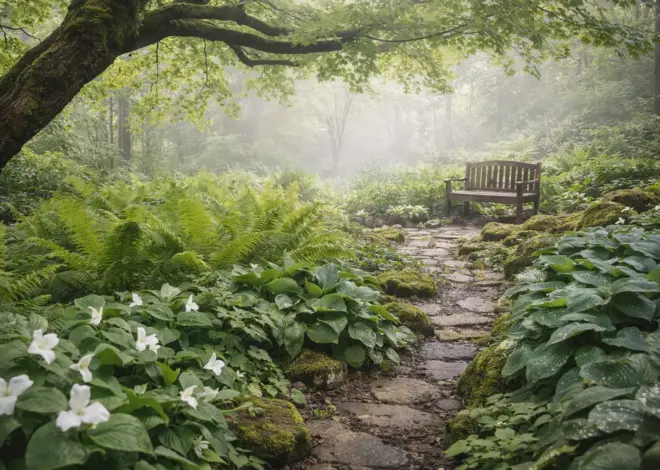
Central provinces provide classic deciduous forest conditions, featuring the iconic White Trillium which demands rich, moisture-retaining woodland soil. In southern Ontario, you will find the Carolinian forest zone, which supports native flowers Canada that you won’t find anywhere else in the country. Out east, the Maritimes face a completely different set of rules: The Salt Tolerance Rule. Always check coastal plants for salt spray resistance, or their leaves will burn off during the first 60 mph ocean storm. Swamp-loving native flowers Canada like the Blue Flag Iris handle these soggy, highly saline coastal environments beautifully.
Explore the diverse ecosystems of Ontario’s deciduous forests and the symbols of Central Canada or dive into the rugged Atlantic coastal flora and floral emblems of the Maritimes in our combined regional study.
Climate Adaptation and Assisted Migration
As Canadian winters soften, static hardiness zones are becoming secondary. Forward-thinking gardeners are now practicing assisted migration—the intentional planting of indigenous plants Canada slightly north of their historical range. This ensures that your native flowers Canada remain resilient as local isotherms shift toward a warmer, more volatile future. These regions are governed by distinct hardiness zones that fluctuate wildly based on proximity to the Great Lakes or the Atlantic Ocean. Understanding these microclimates is essential for success.
Northern Canada and Unique Ecosystems: Yukon, NWT, and Nunavut
Up north, flora faces an absolute, brutal survival test. A shockingly short 40 to 60-day growing season and permanent permafrost dictate strict terms. Arctic Poppy and Dwarf Birch grow in tight mats, physically hugging the ground to trap radiant heat. Using these incredibly tough canadian native plants is effective for alpine rock gardens if the project is at the final planting stage with perfect gravel drainage. However, in the context of heavy, waterlogged clay in downtown Toronto, this may not work at all and the roots will suffocate.
The Boreal forest acts as a massive carbon sink, and the indigenous plants Canada found there—like the Tamarack or the Bunchberry—are masters of cold-weather efficiency. They have learned to thrive in nutrient-poor, acidic soils that would kill a standard garden rose in days.
Learn how vegetation survives in extreme conditions by studying the territorial flowers and resilient plants of the Canadian Arctic.
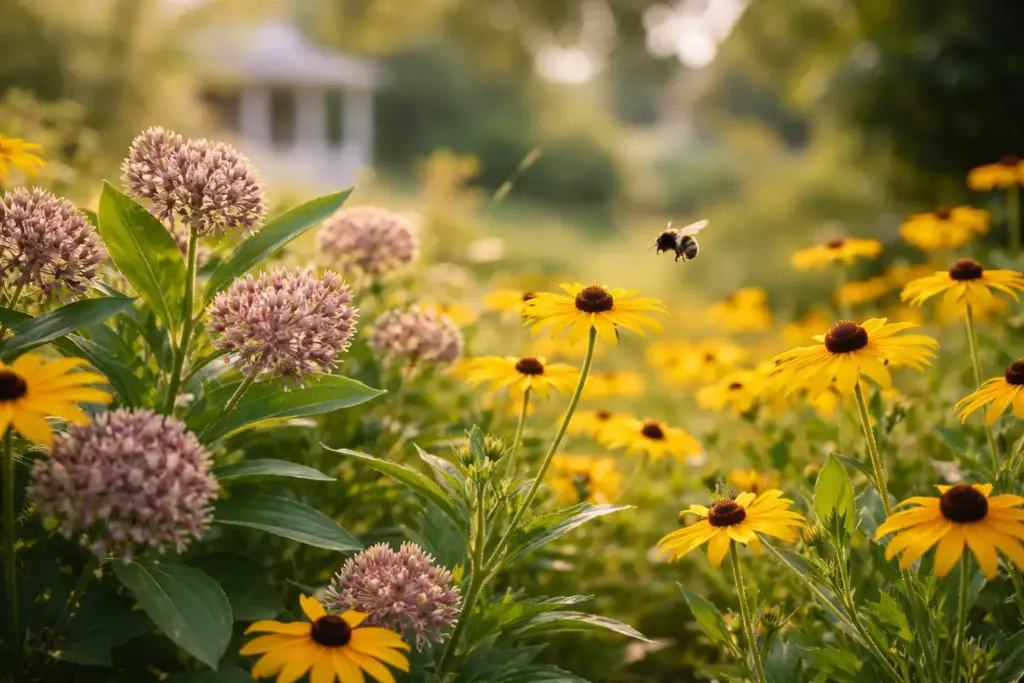
A Visual Guide to Iconic Canadian Native Plants
Theory is great, but how does this actually look in your front yard? Building solid visual structure requires understanding canopy layers and blooming sequences. Let’s break down the most striking local flora by category so you can plan a stunning layout.
Iconic Native Trees and Shrubs
Trees and woody shrubs create your yard’s skeleton and actively block 30 to 50 mph winter winds. Focus on these heavy-hitting structural anchors:
- Sugar Maple (Acer saccharum): A massive eastern classic delivering fiery autumn colors.
- Serviceberry (Amelanchier): The ultimate urban shrub offering white spring blooms and edible summer berries.
- Eastern White Cedar (Thuja occidentalis): The undisputed champion for dense privacy hedges.
- Red Osier Dogwood (Cornus sericea): Provides blindingly red winter branches that pop violently against white snow.
- White Pine (Pinus strobus): The majestic “Tree of Peace,” offering year-round green cover and nesting sites for owls.
These foundational canadian native plants ensure your property never looks barren or dead in February. Also, incorporating flowering shrubs adds a vital layer of native flowers Canada for early-emerging bees.
Native Wildflowers and Flowering Perennials
This is where native wildflowers Canada bring explosive, shifting color and feed local pollinators all summer long. They build the critical mid-layer of your entire design.
- Common Milkweed (Asclepias syriaca): The sole food source for Monarch caterpillars.
- Black-eyed Susan (Rudbeckia hirta): Blooms relentlessly from mid-July until the absolute first hard frost hits.
- Wild Columbine (Aquilegia canadensis): Features a distinct bell shape that hummingbirds actively seek out.
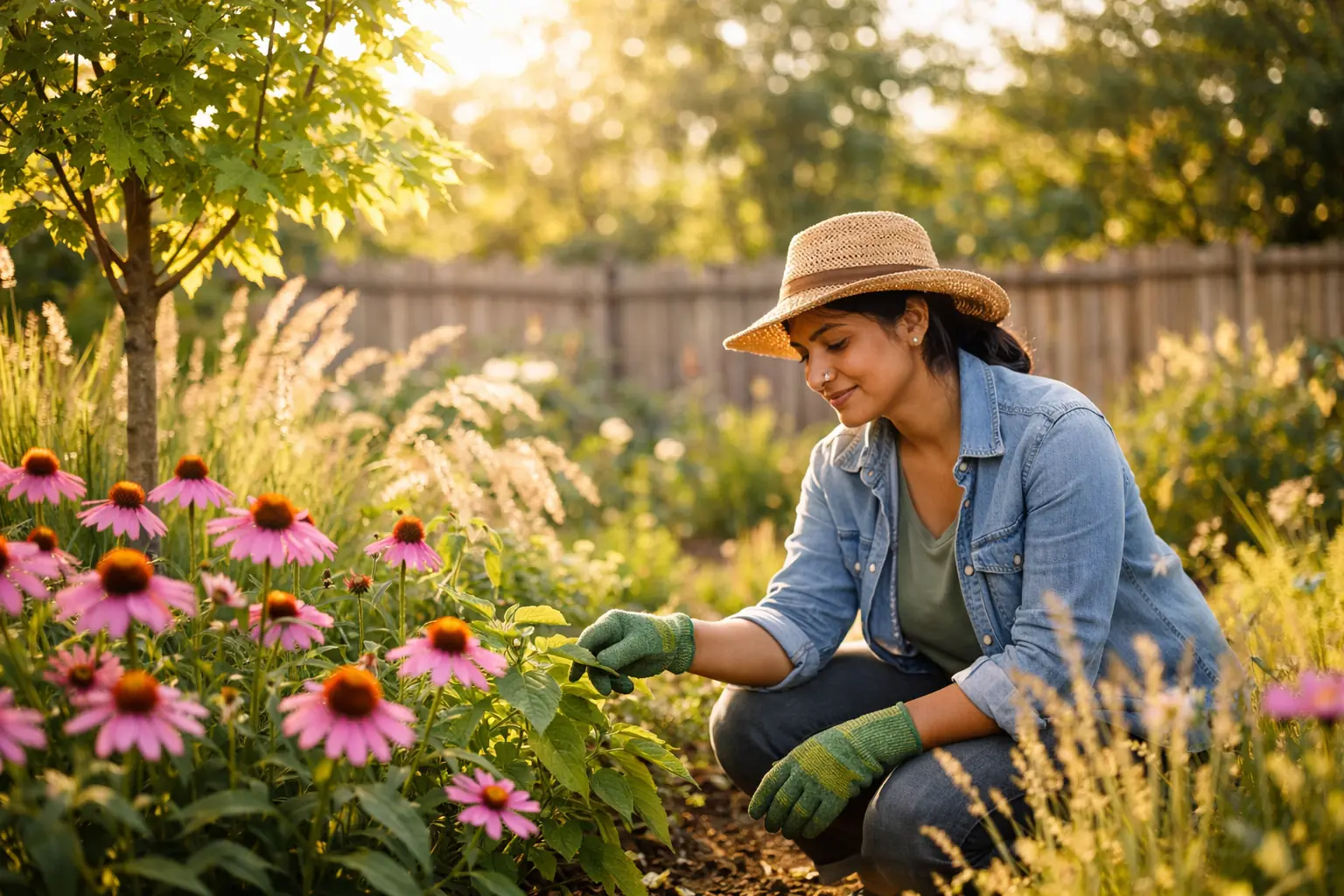
- Purple Coneflower (Echinacea purpurea): Produces heavy seed heads that feed goldfinches straight through January snowstorms.
- Joe Pye Weed (Eutrochium): A towering late-summer bloom that attracts hundreds of butterflies at once.
None of these tough native flowers Canada require you to dig up fragile bulbs in October. They return every year, stronger and more vibrant than before.
Native Grasses, Ground Covers, and Ferns
People almost always ignore the bottom layer, but they really shouldn’t. Ground covers act as living mulch, trapping essential moisture and choking out invasive weeds.
Instead of thirsty turf grass, try Little Bluestem, which wildly shifts from blue-green to copper in September. Wild Ginger dominates in 80% to 100% shade, while the massive Ostrich Fern adds 3 to 4 feet of architectural height to wet, wooded corners. Mixing these deep-rooted native wildflowers Canada with tough grasses and ferns creates a lush, 3D yard. Integrating low-lying indigenous plants Canada finishes the visual edges beautifully.
How to Grow and Care for Native Plants
Traditional landscaping demands constant labor; native ecosystems leverage millennia of evolution for self-sustaining growth.
Understanding the specific needs of your local ecosystem is the first step toward a successful transformation. This detailed breakdown explores how to select species that will thrive in your specific soil and light conditions.
How to Start a Native Plant Garden: Step by Step
- Site Audit: Map out exact sun exposure and test your soil type (sand, clay, or loam).
- Zone Check: Verify your local hardiness zones (ranging from Zone 0 to Zone 8b) to ensure winter survival.
- No-Till Prep: Smother old grass with thick cardboard and rich compost in late autumn.
- Drift Planting: Plant your new native plants Canada in odd-numbered clusters for maximum visual impact.
- First-Year Watering: Soak the new beds weekly to force deep root expansion.
- Patience: Don’t panic if they look tiny; they spend year one building roots, not flashy leaves.
- Ethical Sourcing: Ensure you only buy plants from nurseries that do not harvest from the wild.
Planning a landscape transformation can feel overwhelming. To make your transition to eco-friendly gardening effortless, we have developed a practical framework. Download our starter canvas to map out your soil zones and select the perfect species for your specific Canadian region.

Designing for Sun, Shade, and Small Spaces: The Winter Interest Factor
You don’t need a 5-acre farm to make a massive ecological difference. In Canada, garden design must account for the “Silent Season.” Since your yard will be under snow for nearly half the year, you must prioritize Winter Interest.
“You cannot solve the global extinction crisis alone, but you can rebuild the food web on your patio by planting a single native oak or a patch of milkweed.” — Douglas Tallamy, Nature’s Best Hope (2020)
Winter interest transforms frozen landscapes into standing sculptures providing vital habitat for overwintering pollinators.
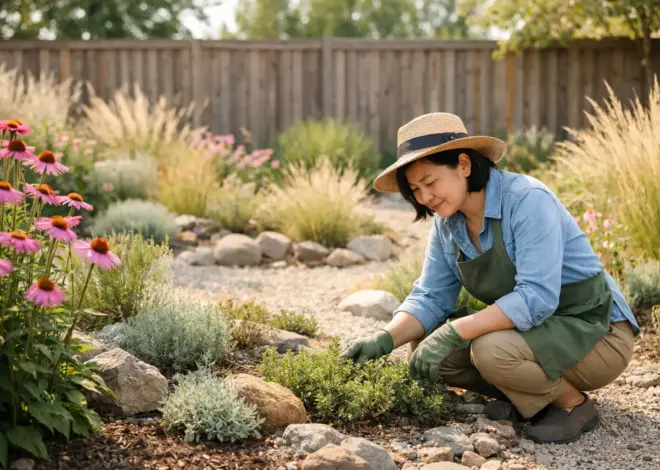
To achieve this, use the architectural forms of indigenous plants Canada. Leave the dried stalks of Purple Coneflowers and Joe Pye Weed standing; they provide striking silhouettes against the snow and act as vital “insect hotels” for overwintering bees. The blood-red stems of the Red Osier Dogwood and the golden-tan hues of Little Bluestem grass turn a frozen backyard into a living sculpture garden.
Practical Gardening Tables
Top-10 Native Plants for Balconies & Containers (Canada 2026)
These species thrive in pots, survive freezing winters (with proper zone selection), and need minimal care.
| Plant | Best Regions | Light Needs | Pot Size | Why It Works |
|---|---|---|---|---|
| Nodding Onion | All Canada | Full sun | Small–Medium | Pollinator magnet, edible, drought-proof |
| Sea Thrift | Maritimes / BC | Full sun | Small | Salt-tolerant, evergreen rosettes |
| Native Stonecrop | BC / West | Full sun | Any | Evergreen, zero watering once established |
| Wild Strawberry | All Canada | Sun–Part shade | Medium | Groundcover, berries, spreads nicely |
| Sky Blue Aster | Ontario / East | Sun–Part shade | Medium | Late-season pollinators |
| Wild Ginger | Central & East | Full shade | Medium | Shade champion, spreads fast |
| Columbine | All Canada | Part shade | Medium | Hummingbird favorite, self-seeds |
| Pearly Everlasting | West & Prairies | Full sun | Small | Dried flowers for winter interest |
| Canada Wild Rye | Prairies | Full sun | Medium | Tall grass for movement and privacy |
| Serviceberry (dwarf) | All Canada | Sun–Part shade | Large | Edible berries + stunning fall colour |
Toxic to Pets & Children – Canadian Native Plants
Always cross-check ASPCA + local vet. Here are the most common native risks:
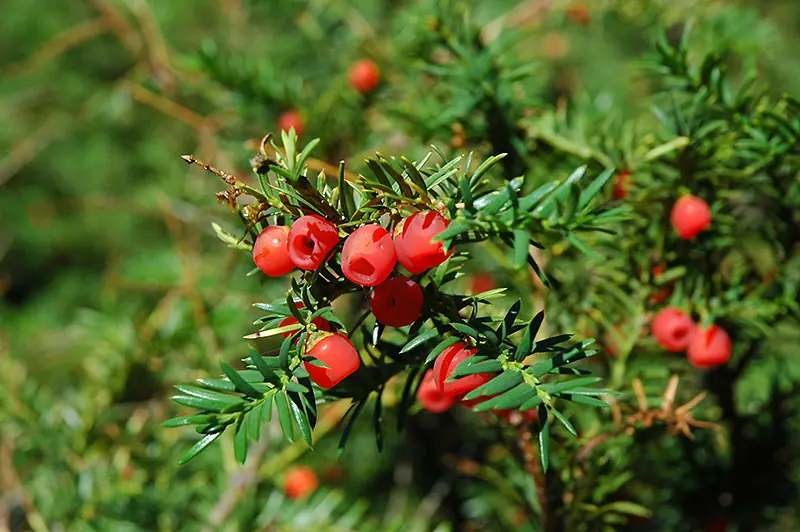
Canada / American Yew (Taxus canadensis) – HIGH danger (can be fatal). Red berries and needles contain taxine. Safe alternative: Serviceberry or Red Osier Dogwood.
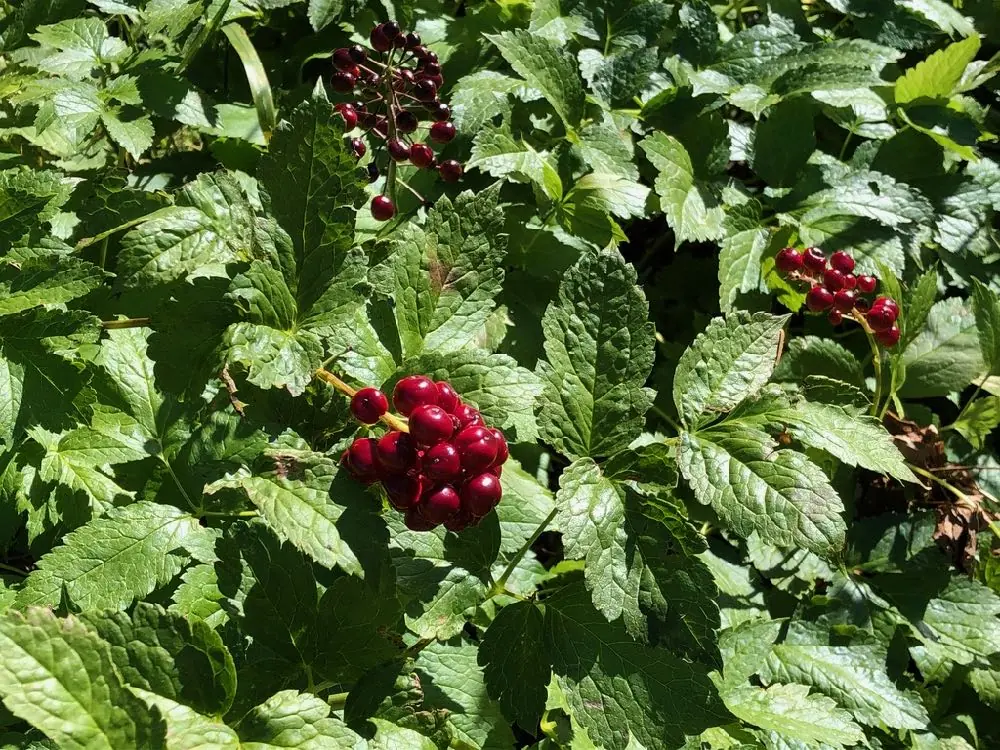
Red Baneberry (Actaea rubra) – HIGH danger. Shiny red berries are extremely toxic if eaten. Safe alternative: Wild Strawberry or Black-eyed Susan.
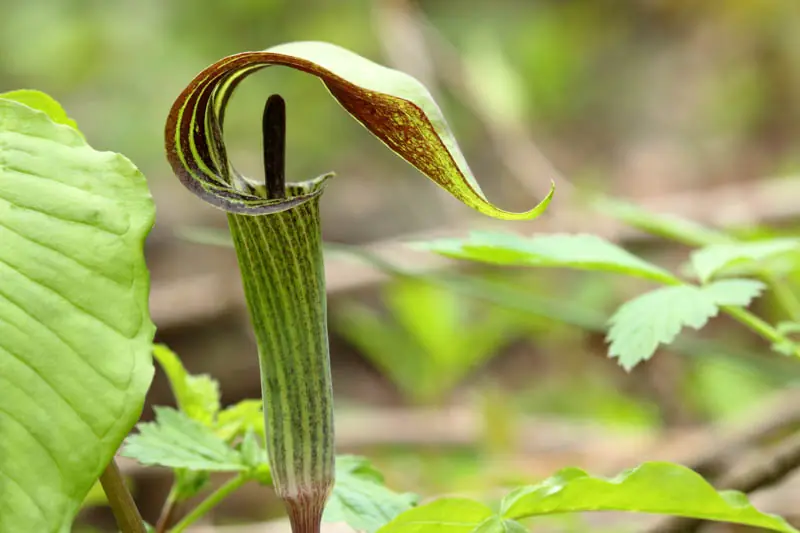
Jack-in-the-Pulpit (Arisaema triphyllum) – MEDIUM danger. Contains calcium oxalate crystals – causes severe mouth burning. Safe alternative: Wild Columbine.
Low-risk favourites: Echinacea, Rudbeckia, Milkweed (sap irritates skin but not deadly), Joe Pye Weed.
Bloom Calendar by Major Regions (Approximate)
| Region | Early Spring | Late Spring | Summer | Late Summer / Fall |
|---|---|---|---|---|
| Western Prairies | Prairie Crocus | Wild Rose | Milkweed, Black-eyed Susan | Goldenrod, Aster |
| Central (Ontario/Quebec) | Trillium, Columbine | Serviceberry | Coneflower, Joe Pye | Asters, Goldenrod |
| Maritimes | Mayflower | Blue Flag Iris | Sea Thrift | Pearly Everlasting |
| BC Coastal | Camas | Nodding Onion | Stonecrop | Evergreen options |
Cost Comparison 2026 (CAD averages from Canadian native nurseries)
| Type | Cost per Plant/Unit | Year-1 Survival Rate | Time to Full Size | Best For |
|---|---|---|---|---|
| Seeds | $3–10 per packet | 20–60% | 2–4 years | Large areas, patient gardeners |
| Plugs | $5–12 each | 80–95% | 1–2 years | Small gardens, balconies |
| Mature shrubs/trees | $20–60+ | 90%+ | Instant | Instant privacy or impact |
Essential Care and Natural Pest Control
Never cut down dead stems in October. They house overwintering bees and butterfly pupae. Wait until spring temperatures consistently hit 50°F (10°C) for at least seven days.
The Jumping Worm Protocol
In 2026, the greatest threat to native plants Canada is the spread of invasive jumping worms (Amynthas spp.). Invasive jumping worms destroy soil structure; native plants restore the rhizosphere through fungal symbiosis. When adding new canadian native plants to your yard, always inspect the root ball for grainy, coffee-ground-like soil—a hallmark sign of infestation. Protecting your indigenous plants Canada starts with clean, verified soil.
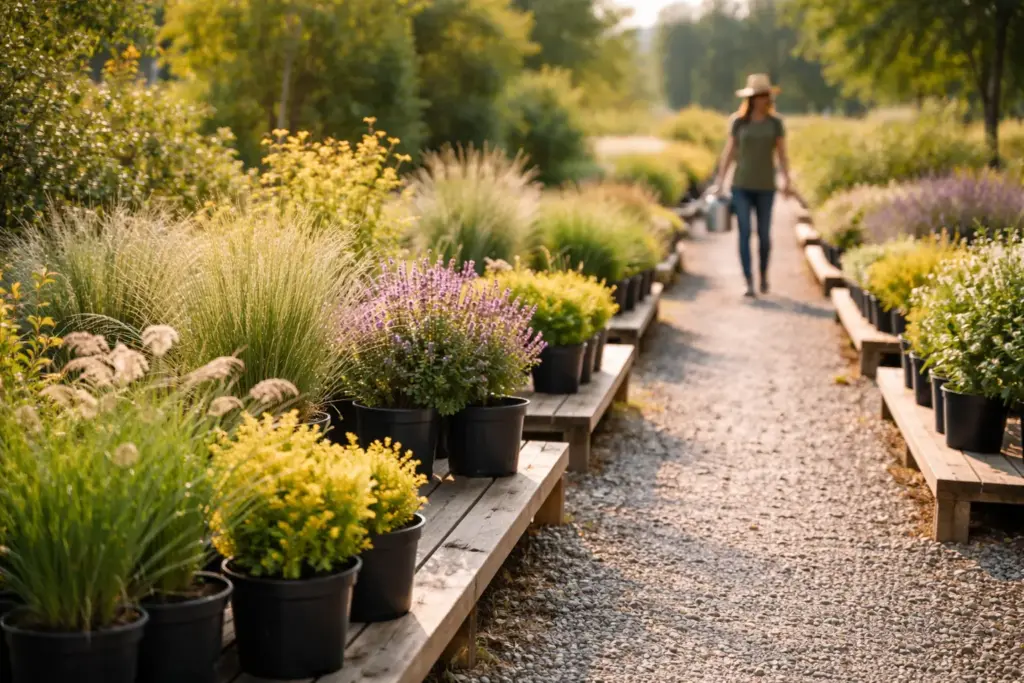
Where to Buy Native Plants in Canada
Neonicotinoid-free certification distinguishes ecological restoration from sterile, chemically treated commercial nursery stock.
You absolutely won’t find the right seeds at a massive big-box hardware store. Commercial retailers push flashy, sterile annuals that die instantly in October. You need specialized, dedicated growers to get authentic genetics. According to industry data (2024), survival rates for local ecotypes are significantly higher than stock imported from warmer climates. Small starter pots (plugs) usually cost $5 to $12, saving you hundreds compared to mature nursery stock.
- Ontario: Ontario Native Plants (online shipping across the province).
- British Columbia: Saanich Native Plants (specializing in Garry Oak ecosystems).
- Alberta: Wild About Flowers (focused on prairie and foothill species).
- Maritimes: Baldwin Nurseries (offering salt-tolerant coastal shrubs).
Frequently Asked Questions About Canadian Native Plants
Do native plants attract pests like mosquitoes or rodents?
Native flora replaces chemical pesticides by hosting predatory insects that naturally eradicate garden pests.
This is a common fear, but the reality is the opposite. A 2021 assessment by the Toronto Region Conservation Authority (TRCA) highlights that healthy, biodiverse habitats manage pest populations naturally.
By planting native flowers Canada, you aren’t inviting “pests”; you are creating a habitat for beneficial insects—the biological security team of your garden. Indigenous plants attract high populations of ladybugs, lacewings, and hoverflies, which are voracious predators of aphids and mosquito larvae. Achieving a pest-free garden doesn’t require chemicals; it requires a balanced food web. This guide shows how indigenous flora creates a self-regulating environment.
Can I grow native plants in containers or on a balcony?
Absolutely! Container gardening is a massive opportunity for city dwellers. Potted indigenous plants Canada face severe root freezing. Buy species explicitly rated 2 zones colder than your actual location (e.g., buy Zone 3 plants for a Zone 5 balcony pot) to ensure they survive the winter.
How long does it take for a native plant garden to establish?
Professional designers strictly use the “Sleep, Creep, Leap” timeline. It takes 2 to 4 full years for native plants Canada to fully lock in. Year one focuses 80% of the plant’s energy on pushing deep roots. Year two brings slight surface spread. By year three, the native wildflowers Canada explode in size and permanently drop your watering needs to near zero.
What’s the difference between native plants and cultivars (nativars)?
Garden centers desperately love selling cultivars (like a neon-pink coneflower). These are genetic clones artificially bred for weird colors. The main problem? Breeding for double petals physically blocks tiny native bees from reaching the nectar, rendering the native flowers Canada ecologically useless. Always hunt for “straight species” if your goal is true habitat building.
Are any Canadian native plants toxic to pets or children?
Yes, nature fights back. Plants like Baneberry pack serious chemical toxins to deter grazing deer. Sourcing these highly toxic canadian native plants is effective for deer-proofing if the project is at the woodland edge stage. However, in the context of a fully fenced backyard with toddlers or chewing puppies, this may not work and poses a lethal risk. Always cross-check the ASPCA toxic plant database before planting anything new.
Planting native species moves beyond aesthetics, rebuilding collapsed food webs within fragmented urban landscapes.
By integrating native plants Canada into your landscaping, you’re not just choosing a style; you’re rebuilding a broken ecosystem. These resilient species provide year-round beauty, slash your maintenance costs, and offer a lifeline to local wildlife. Start small with a few canadian native plants this season, and watch as your yard transforms into a thriving, self-sustaining sanctuary that survives the harshest winters.
Are you ready to turn your backyard into a resilient, living sanctuary that works with nature instead of against it?
Sources
- Canadian Wildlife Federation: Native Plant Encyclopedia: A Guide for Local and Migratory Wildlife Support. (Official searchable database for Canadian regions).
- Homegrown National Park / Douglas Tallamy: Nature’s Best Hope: A New Approach to Conservation that Starts in Your Yard. (Official FAQ and Science-based Action Plan).
- Toronto and Region Conservation Authority (TRCA): Essential Native Plant Guide: Guidelines for Improving Biodiversity in Urban Environments.
- Lorraine Johnson (Official Website): 100 Easy-to-Grow Native Plants for Canadian Gardens. (Reference for regional species selection).
- Environment and Climate Change Canada: Canada’s Nature Legacy: Protecting Biodiversity and Species at Risk. (Official policy and scientific background).
- Invasive Species Centre Canada: Jumping Worm (Amynthas spp.) Identification and Management Guide for Canadians. (Direct PDF Guide).