Native Plants British Columbia: A Comprehensive Guide
Tired of imported shrubs dying during sudden July droughts? Switching to native plants British Columbia fixes the problem permanently. Integrating native plants British Columbia directly tackles our notoriously unpredictable weather. Indigenous species evolved to survive coastal winter monsoons and arid interior heatwaves without breaking a sweat. You eliminate toxic synthetic fertilizers entirely. You also drastically lower summer water bills (yes, really). Let’s examine exactly how to build a self-sustaining regional yard that actually survives.
Introduction to Native Plants in British Columbia
A resilient property starts with regional flora. We’ll define what makes a species truly endemic, calculate exact financial savings down to the dollar, and measure the direct impact on local pollinator populations.
What Are Native Plants?
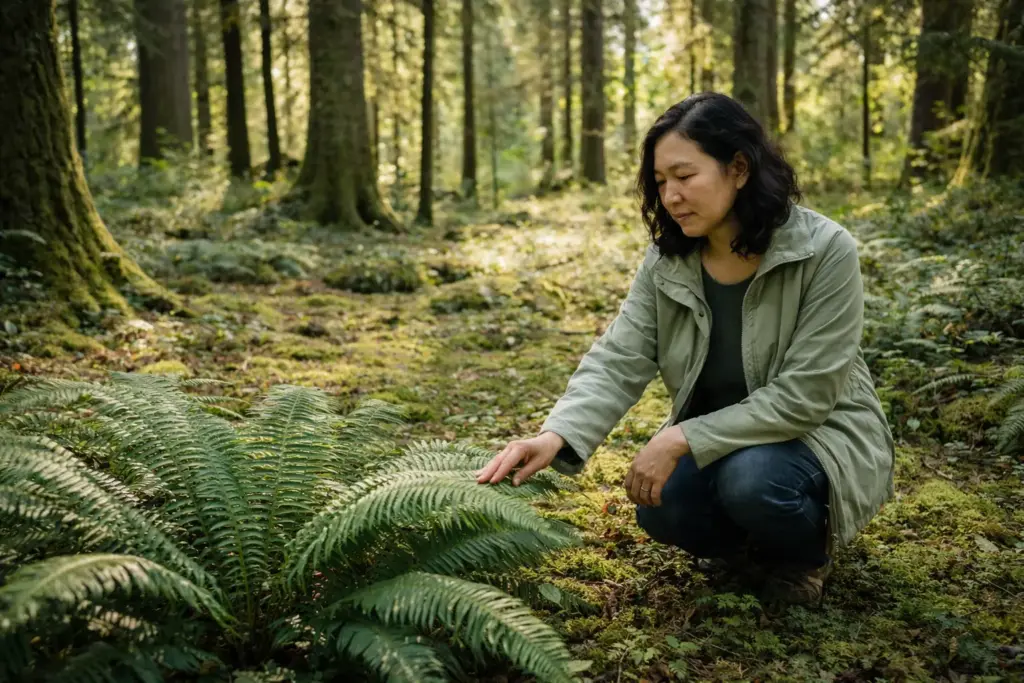
An endemic species evolves in a specific region without any human interference. In 2026, professionals classify our local native plants British Columbia using the Biogeoclimatic Ecosystem Classification (BEC) system. Native plants in British Columbia adapt seamlessly to highly specific regional microclimates. Indigenous flora naturally evolves to match the exact precipitation and temperature of its immediate environment. This localized adaptation means a species thriving in one Biogeoclimatic zone will likely fail if transplanted to an opposing zone. For example, coastal ferns thrive in the wet Coastal Western Hemlock (CWH) zone on Vancouver Island but will quickly perish in the dry bunchgrass ecosystems of the Okanagan Valley.
Traditional Ecological Knowledge
Indigenous communities, such as the Coast Salish, utilized Traditional Ecological Knowledge (TEK) to cultivate these species for millennia, evident in historical Camas meadows.
Synthetic nitrogen destroys soil health; indigenous British Columbia plants rely on resilient mycorrhizal fungi networks.
“Butterflies used to reproduce on the native plants that grew in our yards before the plants were bulldozed and replaced with lawn. To have butterflies in our future, we need to replace those lost host plants, no if’s, and’s or but’s.” – Douglas Tallamy, Entomologist and Author.
Why Choose Native Plants for Your Garden?
Typical yard improvement budgets run from $800 to $2,500 for seasonal exotic replacements alone. Finding the best native plants British Columbia cuts this annual recurring cost by 40% to 60%. Why keep throwing money away?
Exotic turfgrass drains municipal water; native British Columbia flora thrives on seasonal coastal rainfall.
However, in the context of first-year installations on 30-degree slopes, this may fail due to rapid topsoil runoff. Choosing the best native plants British Columbia guarantees survival during 35°C summer dry spells.
The Importance of Native Plants in BC’s Ecosystem
Imported ornamental cultivars act as ecological dead zones; authentic endemic flora directly sustains regional biodiversity.
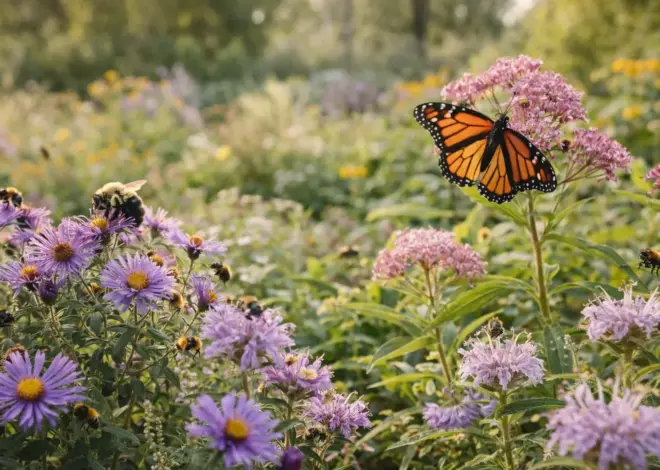
According to a 2023 study by Hayes et al., endemic flora was visited by pollinators 37% of the time, compared to a mere 8% for heavily bred cultivars. Mason bees desperately need regional pollen to reproduce. Rufous hummingbirds depend strictly on local nectar timing during their northward migration. By installing native plants British Columbia, you actively rebuild shattered local food webs.
Best Native Plants for British Columbia Gardens
Selecting the right species ensures year-round visual structure and ecological utility. We’ll categorize top flowers, winter-hardy greenery, and compact options suited for specific Pacific Northwest yard dimensions.
Top Flowering Native Plants
For vibrant spring color, Red-flowering Currant and Pacific Bleeding Heart attract migrating hummingbirds instantly. Sourcing the best native plants British Columbia means matching sun exposure exactly to the specimen’s original BEC zone. Red-flowering Currant requires partial shade and grows 4 to 8 feet tall. Selecting the best native plants British Columbia with bright blooms guarantees an active yard from March through late June. Finding the best native plants British Columbia saves you hours of grueling yard work.
Evergreen Native Plants British Columbia
Winter yards look barren and depressing without persistent foliage. Utilizing evergreen native plants British Columbia solves this structural problem effortlessly. Salal remains a coastal staple, keeping its thick, glossy leaves year-round. Incorporating evergreen native plants British Columbia ensures front beds retain volume even in late December.
| Specimen Name | Light Requirement | Height Range | Soil Preference |
| Salal | Shade to Part Sun | 2 to 6 feet | Acidic, well-draining |
| Sword Fern | Full Shade | 3 to 4 feet | Humus-rich, moist |
| Oregon Grape | Sun to Part Shade | 4 to 6 feet | Rocky, dry |
| Kinnikinnick | Full Sun | 6 to 12 inches | Sandy loam |
Relying on evergreen native plants British Columbia eliminates back-breaking autumn leaf-raking. Finding quality evergreen native plants British Columbia secures a vibrant yard even under heavy January snowfalls. Planting evergreen native plants British Columbia establishes permanent windbreaks for delicate wintering birds.
Small Native Plants for Limited Spaces
You can easily grow small native plants British Columbia in standard 10-inch patio containers or modern biodegradable coir pots to prevent root-binding. Kinnikinnick acts as a fantastic trailing vine over elevated pots. Integrating small native plants British Columbia provides maximum ecological benefits without overcrowding 200-square-foot townhouse plots.
- Nodding Onion: Reaches 10 to 18 inches, yielding pinkish-white summer blooms that wild bees obsess over.
- Wild Strawberry: Spreads aggressively as a living mulch, staying strictly under 6 inches high.
- Broad-leaved Stonecrop: A hardy succulent surviving easily in 4-inch shallow planters.
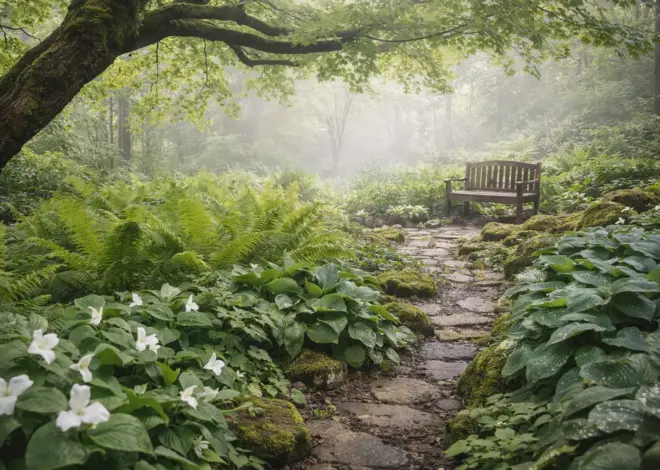
- Western Trillium: Thrives in deep woodland shade, reaching 8 to 16 inches before going dormant.
These are excellent small native plants British Columbia for urban apartment balconies. Cultivating small native plants British Columbia brings foraging birds directly to your doorstep. Sourcing small native plants British Columbia costs very little compared to massive nursery trees.
Native Plants British Columbia for Landscaping
Converting a standard lawn into an ecological habitat requires precise execution. We’ll detail the financial metrics, step-by-step layout rules, and exact maintenance timelines for a successful transition.
Benefits of Using Native Plants in Landscaping
Using native plants British Columbia for landscaping slashes municipal utility bills. According to a 2024 University of California, Davis study, indigenous flora uses approximately 422 acre-feet of water annually compared to turfgrass requiring 1,407 acre-feet—a massive 60% reduction.
- Reduced Irrigation: Cuts watering times by 2 to 4 hours weekly, saving roughly 400 gallons monthly.
- Pest Resistance: Regional flora naturally repels local aphids and bark beetles without chemical intervention.
- Erosion Control: Roots reaching 3 to 5 feet deep physically stabilize steep suburban hillsides.
- Exotic lawns demand endless chemical budgets; established native British Columbia properties eliminate perpetual maintenance costs.
Implementing native plants British Columbia for landscaping simply makes financial sense.
Design Tips for a Native Plant Garden
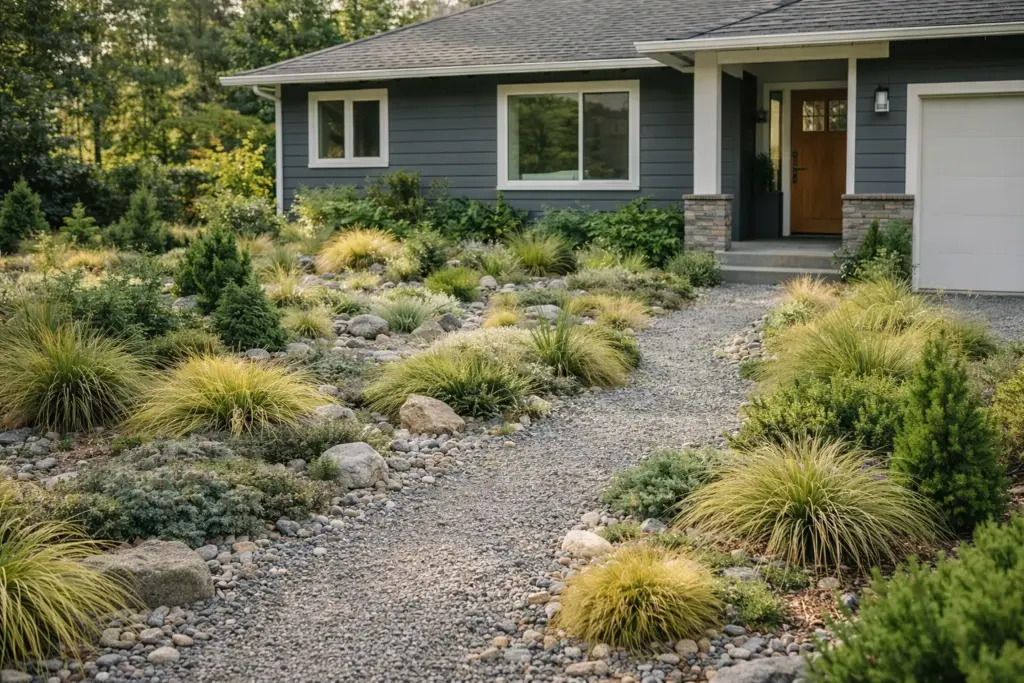
Spacing prevents brutal overcrowding down the road. You need a measurable, strict layout when integrating native plants British Columbia for landscaping. High-density planting works well for weed suppression if the project is at the third-year maturity stage. However, in the context of newly installed plugs, this fails due to intense resource competition. Careful organization of native plants British Columbia for landscaping requires strict adherence to natural light patterns. Relying on native plants British Columbia for landscaping dictates arranging beds by specific watering zones.
Lawn Conversion and Prep
To prepare the site without tilling, modern designers use sheet mulching (or lasagna gardening).
Mechanical tilling damages topsoil; zero-carbon sheet mulching naturally suffocates invasive turfgrass preserving local microbiomes.
By layering cardboard and organic compost, this technique suffocates standard grass while preserving local soil microbiomes without relying on destructive mechanical tilling. This method is strictly applicable to shallow lawns and completely fails against deep-rhizome or aggressive invasive species. For instance, attempting to sheet mulch over established Japanese Knotweed or Himalayan Blackberry will not work and may actually exacerbate the infestation.
- Test Soil Drainage: Dig a 12-inch hole, fill it with a hose, and measure the drainage rate (aim for 1 to 3 inches per hour).
- Map Sun Exposure: Log direct sunlight hours during July to separate full-sun zones from deep shade corners.
- Group by Moisture Need: Isolate drought-tolerant species far away from water-loving ferns to avoid sudden root rot.
- Layer Vegetation: Install 30-foot trees in the back, 5-foot shrubs centrally, and groundcovers up front.
- Add Hardscaping: Place decaying alder logs or large granite boulders to provide winter shelter for ground beetles.
Maintenance and Care for Native Landscapes
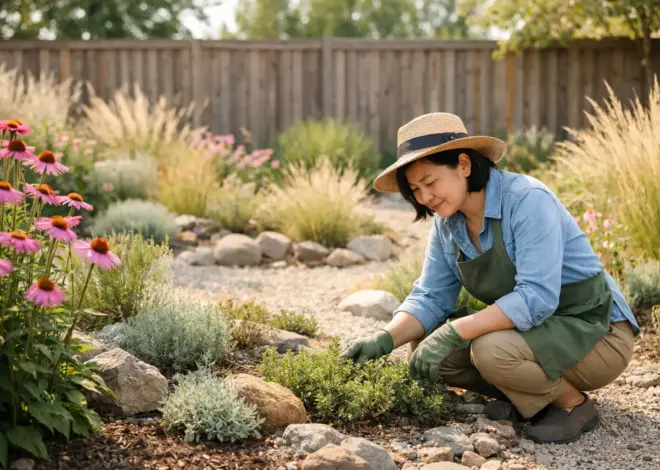
Managing new installations requires diligent hand-weeding for the first 12 to 24 months. After roots establish deeply, these rugged specimens survive independently. Supplemental watering isn’t strictly necessary unless you hit three consecutive weeks of zero rainfall in August.
Managing Aggressive Invasives
Chemical herbicides poison groundwater; targeted mechanical extraction permanently eliminates aggressive invasive species like Scotch Broom.
You cannot just pull mature invasives by hand. Species like English Ivy, Scotch Broom, and Japanese Knotweed will destroy your new ecosystem. Specialized leverage tools, such as an Extractigator or heavy mattock, are required to permanently remove mature Himalayan Blackberry root crowns. Targeted mechanical extraction physically eliminates the invasive root system without relying on groundwater-poisoning chemical herbicides.
However, deep mechanical extraction is unsafe and frequently prohibited by municipal bylaws in ecologically sensitive riparian zones due to the severe risk of soil erosion. In waterfront or steep-slope restoration projects, environmental regulations typically mandate careful surface-cutting and targeted spot-treatment rather than deep mattock excavation. For Japanese Knotweed, mechanical removal fails entirely; you must employ long-term tarping (solarization) to starve the extensive rhizome network before planting.
Native Plants British Columbia Identification
Recognizing wild species helps replicate their natural growing conditions at home. We’ll review field techniques, analog tools, and digital databases for highly accurate taxonomy.
How to Identify Native Plants in the Wild
Start by intensely examining leaf margins and bark fissuring. Accurate native plants British Columbia identification requires noting whether a shrub grows in sandy loam or wet clay. Proper native plants British Columbia identification prevents accidentally uprooting legally protected regional flora. Is the stem square or round? Are the leaves alternating or opposite? These tiny details matter.
“We don’t even know their names anymore. The average person knows the name of less than a dozen plants, and this includes such categories as ‘Christmas Tree’. Losing their names is a step in losing respect.” – Robin Wall Kimmerer, Botanist and Author.
Common Identification Tools and Resources
Learning native plants British Columbia identification requires a few basic pieces of field gear. Don’t wander into the woods guessing.
- Jeweler’s Loupe: Magnifies tiny floral structures 10x for precise taxonomic verification.
- Measurement Tape: Verifies exact leaf length and stem diameter against botanical database averages.
- Soil Moisture Meter: Logs the exact micro-habitat conditions where wild specimens currently thrive.
- Macro Lens Camera: Captures hyper-sharp bark and vein patterns for home verification later.
Practicing native plants British Columbia identification sharpens your overall environmental awareness. Mastering native plants British Columbia identification turns a boring hike into an active scavenger hunt.
Field Guides and Apps for Plant Enthusiasts
Digital applications accelerate the learning curve tremendously. Use tools like iNaturalist to verify local taxonomy on remote trails. Finding the correct species in local forests inspires realistic garden layouts.
Watch this visual guide outlining regional flora choices specifically suited for residential properties.
Creating a Native Plant Garden in British Columbia
Execution requires strict physical preparation. We’ll cover local zoning restrictions, nursery stock selection, and optimal installation windows.
Planning Your Native Plant Garden
Start with a highly manageable 100 to 300 square foot patch. Utilizing native plants British Columbia demands minimal soil amendment. As mentioned, mechanically leveraging out the roots of Scotch Broom or English Ivy is absolutely mandatory before installing anything new. Do not skip site prep.
Selecting the Right Plants for Your Region
Generic landscaping relies on guesswork; professional ecological design strictly follows Biogeoclimatic Ecosystem Classification zones.
A specimen thriving in coastal Victoria will freeze solid overnight in Prince George. Selecting native plants British Columbia demands hyper-localized precision. The same principle applies nationwide; if you are designing a property further east, you must specifically source climate-adapted flora for Ontario ecosystems rather than relying on Pacific Northwest species.
Nursery Sourcing and Quality Checks
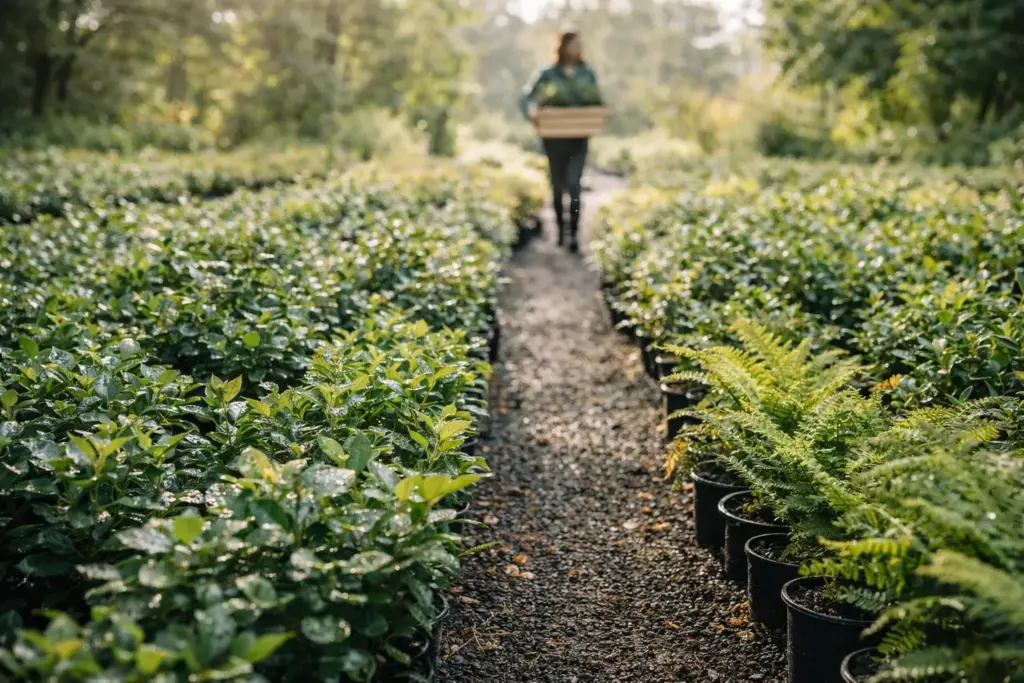
Do not buy from generic hardware stores. Purchase from certified regional specialists like Saanich Native Plants, Satinflower Nurseries, or NATS Nursery. When inspecting stock, always check the root-to-shoot ratio. Gently slide the plant out of its pot; if the roots are circling tightly (root-bound), leave it.
Generic plant lists cause transplant shock; hyper-localized Biogeoclimatic matching ensures 91% wildling survival rates.
According to a 2024 study published in the National Library of Medicine on transplanting wildlings, researchers confirmed these exact metrics when comparing appropriately handled local flora to mismatched greenhouse stock.
Seasonal Planting Tips and Techniques
October is the optimal installation month for native plants in coastal British Columbia. Planting during the early fall dormancy period allows root systems to establish deeply while utilizing naturally occurring seasonal rainfall for irrigation. This fall-planting strategy is highly effective for well-draining coastal soils but fails entirely in heavy interior clay soils that freeze completely by November. Regional landscaping assessments confirm that October installations in wet coastal zones like Vancouver drastically reduce municipal water reliance during the subsequent first summer. Keep the base of your native plants British Columbia exactly level with the surrounding dirt to prevent fatal crown rot.
Bare-Root vs. Potted
For the highest survival rates and lowest costs, shift to bare-root planting during the winter dormancy period. Greenhouse-grown potted shrubs risk root-binding; dormant bare-root wildlings guarantee rapid native soil integration. This approach completely bypasses the shock of transitioning from artificial potting mixes into harsh natural terrain.
Native Plants of BC List: A Handy Reference
A highly reliable catalog prevents expensive impulse buys at commercial nurseries. We categorized essential species strictly to guide your next botanical shopping trip.
Comprehensive List of Native Plants
Gardeners constantly need a precise native plants of be list. This requested inventory prevents the accidental purchase of aggressive invasive species. A verified native plants of be list serves as the foundational blueprint for varied regional ecosystems.
Categorized List by Plant Type
Here is a strictly structured native plants of be list intended for residential use:
- Canopy Trees: Garry Oak, Western Redcedar, Douglas-fir.
- Mid-Story Shrubs: Oceanspray, Snowberry, Tall Oregon Grape.
- Shade Ferns: Deer Fern, Licorice Fern, Lady Fern.
- Groundcovers: Wild Ginger, Coastal Strawberry.
Commercial crews rely heavily on this exact native plants of be list. Referencing a strict native plants of be list ensures you don’t make rookie mistakes.
Rare and Endangered Native Species
The Phantom Orchid and Golden Paintbrush are legally protected native plants British Columbia. Never harvest these fragile specimens from the wild. Any official native plants of be list strictly marks these as protected. Always purchase verified seeds or plugs from certified ethical nurseries.
Extra Tips and Resources for Native Plant Enthusiasts
Local communities accelerate the learning curve. We list active societies, hands-on workshops, and digital forums meant for ethical seed trading.
Local Native Plant Societies and Groups
The Native Plant Society of BC hosts excellent regional field trips. You can safely trade propagated greenery with vetted neighbors, entirely avoiding massive commercial markups. Working with native plants British Columbia builds strong neighborhood connections.
Workshops and Events in British Columbia
Spring botanical sales offer rare specimens completely absent from big-box hardware stores. Attending lectures speeds up your proficiency instantly.
Check out this detailed tutorial on integrating wild bulbs into residential layouts.
Online Resources and Community Forums
Regional Facebook gardening groups provide hyper-local, practical advice. Members gladly share exact protocols for propagating local shrubs from stem cuttings and stratifying seeds inside domestic refrigerators. Properly integrating native plants British Columbia into your life requires community knowledge.
FAQ
Can I grow regional flora in pure, unamended construction sand?
No, unless you mix in 3 inches of organic compost to retain moisture and foster mycorrhizal fungi networks during the critical first year.
Are all indigenous evergreens completely shade tolerant?
Yes, but species like Shore Pine strictly require 6 to 8 hours of direct sunlight daily to prevent aggressive lower needle drop.
Will a standard coastal inventory work for my high-elevation mountain property?
No, unless you cross-reference the exact species with your specific BEC zone and elevation limits.
Do wild groundcovers spread aggressively across manicured lawns?
Yes, but you can easily contain them by installing physical root barriers exactly 8 inches deep along the entire bed perimeter.
Is eco-friendly yard design actually cheaper in the long run?
Yes, but initial specialized purchases from places like NATS Nursery often cost slightly more upfront before the massive 5-year water savings finally begin.
Imported ornamentals starve local pollinators; endemic British Columbia species actively rebuild shattered regional food webs.
By ditching thirsty, resource-heavy lawns for resilient, climate-adapted shrubs, you save money while actively repairing fractured habitats. Utilizing proper site preparation like sheet mulching and sourcing healthy bare-root stock guarantees success. It’s a bit of work initially, but the long-term payoff of lower utility bills and thriving wildlife is unmatched. So, when will you stop watering that useless, expensive lawn?
Planning your ecological transition shouldn’t feel overwhelming. To help you move from reading to digging, we’ve synthesized this guide into a high-performance PDF checklist. Use it to audit nursery stock, verify your BEC zone requirements, and ensure your new habitat thrives from day one.
Sources
- Tallamy, D. W. (2007). Bringing Nature Home: How You Can Sustain Wildlife with Native Plants. Quotation retrieved via Goodreads.
- Hayes, et al. (2023). Do Native Plants Attract More Pollinators Than Cultivars? Study data cited via Jackson & Perkins.
- Shapiro, Chan, Carson, & Tayag. (2024). Outdoor Water Use Conservation through Native Plants. UC Davis Water Management Study.
- Kimmerer, R. W. (2003). Gathering Moss: A Natural and Cultural History of Mosses. Quotation retrieved via Goodreads.
- Roth, S., et al. (2024). Transplanted sagebrush “wildlings” exhibit higher survival than greenhouse-grown tubelings yet both recruit new plants. PMC Study PMC11034100.