Attracting Chickadees Canada: A Comprehensive Guide
If your feeder gets random sparrows but not the lively little birds you actually want, you’re not alone. Attracting Chickadees Canada can feel oddly hit-or-miss, especially when weather swings, poor feeder placement, and thin habitat all work against you. The real fix usually isn’t one magic seed; it’s a mix of species awareness, seasonal timing, feeder setup, native plants, and a yard that feels safe. Get that balance wrong in 2026, and you’ll waste seed, money, and a good chunk of birdwatching season. Get it right, and chickadees often become the most faithful visitors in your yard.
Understanding Chickadees in Canada
Before you tweak feeders or buy another bag of seed, it helps to know which chickadees actually live in Canada and what keeps them coming back. This section covers the main species, their everyday habits, and why they matter far beyond a cheerful winter visit.
Discover 5 universal strategies for attracting birds, including chickadees, to your yard. This video details how to choose the right feeders, create a safe environment, and provide suitable food.
Chickadee Species Found in Canada
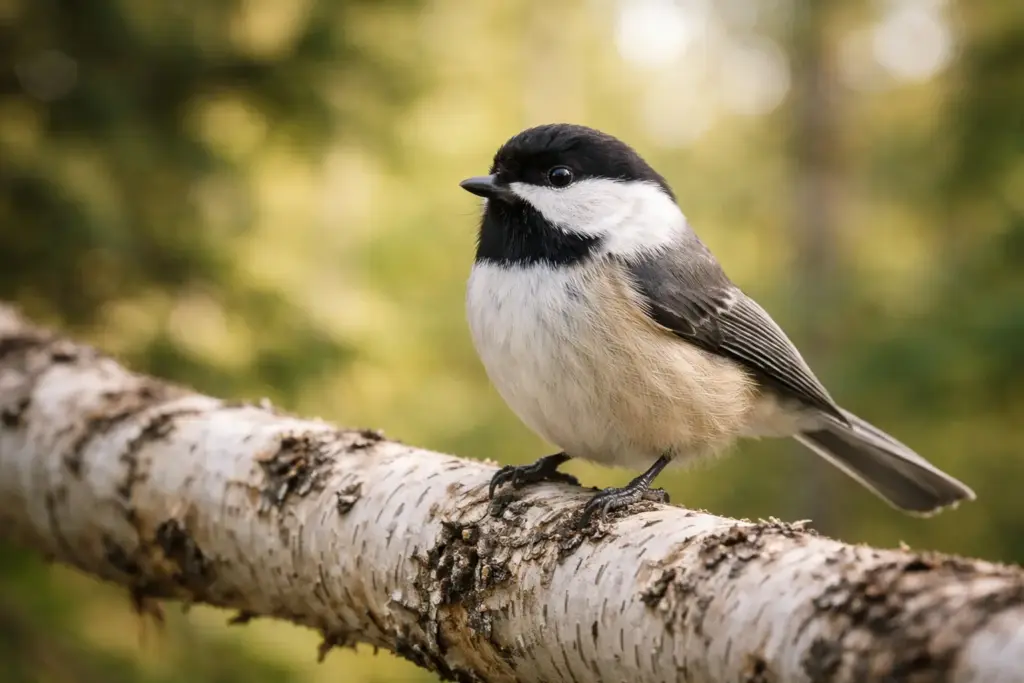
Most Canadians will know the Black-capped Chickadee best, but it isn’t the only one worth watching. Depending on your region, you may also encounter Boreal Chickadees, Mountain Chickadees, Chestnut-backed Chickadees, and in the far northwest, Gray-headed Chickadees. Cornell’s All About Birds range and identification pages list these species as occurring in parts of Canada, with Black-capped Chickadees widespread and Chestnut-backed Chickadees tied mainly to the Pacific coast.
- Black-capped Chickadee: The familiar yard bird across much of southern and central Canada. It adapts well to suburban feeders and mixed woodlots.
- Boreal Chickadee: More often found in northern conifer forests. It does visit feeders, though usually less boldly than black-caps.
- Mountain Chickadee: A western species linked to higher-elevation evergreens. It’s especially relevant in parts of British Columbia.
- Chestnut-backed Chickadee: A Pacific species with rich brown tones. Coastal British Columbia is where Canadians are most likely to see it.
That matters because attracting chickadees Canada isn’t one-size-fits-all.
Canadian chickadee attraction varies; coastal chestnut-backed habitats require different strategies than eastern woodlots.
Habitat and Behavior of Chickadees
Chickadees are tiny, but they don’t act timid for long. They move fast, inspect everything, and often grab a seed, then fly to a nearby branch to open it rather than lingering at the feeder. Audubon notes that chickadees commonly take sunflower seeds one at a time and cycle through feeders in an orderly way, almost like a moving queue.
They also prefer structure around them—trees, shrubs, cover, and short flight paths. Open, barren yards can still get visits, but usually not as many. In practice, if a feeder sits in the middle of a wide exposed lawn, chickadees may inspect it and then skip it.
“Each plant in your landscape you should think of as a bird feeder.” — Doug Tallamy, entomologist, quoted by Audubon
That line lands because it’s true in a very practical sense. Feeders help, yes, but real habitat keeps birds around when the feeder runs dry.
Importance of Chickadees in the Ecosystem
Chickadees aren’t just cute winter company. They eat insects, caterpillars, spiders, and other small prey during the breeding season, then shift more heavily toward seeds and berries in colder months. Cornell notes that Black-capped Chickadees eat roughly half plant matter and half animal food in winter, which explains why a feeder alone won’t cover everything they need year-round.
A Smithsonian Migratory Bird Center study highlighted by Audubon found that chickadee populations stayed stable only where surrounding landscapes contained about 70% native plants, because those yards supported far more insects for feeding young.
Seed feeders attract temporary attention; native plant habitats earn year-round chickadee loyalty.
Best Seasons for Attracting Chickadees in Canada
Season changes everything with these birds. The best plan for attracting chickadees Canada season by season isn’t to do more all year—it’s to match food, shelter, and maintenance to what chickadees need right then.
Chickadee Activity by Season
Winter is usually the easiest season for attracting chickadees Canada because natural food is scarcer and birds are more willing to use dependable backyard feeders. Spring shifts their attention toward nesting territories and insects. Summer can feel quieter, though chickadees are still around. By fall, they often return more visibly to feeders as mixed flocks form again.
| Criterion | Cold Season Strategy | Warm Season Strategy |
|---|---|---|
| Main food focus | Black oil sunflower, peanuts, suet | Insects, native plant forage, some seed |
| Best yard feature | Sheltered feeder near cover | Native shrubs, nesting cavities, water |
| Visitor pattern | Frequent, bold, predictable | Shorter visits, more natural foraging |
Winter feeders provide emergency calories; summer native habitats supply essential breeding insects.
The table makes the big point clear: winter feeding brings visibility, but spring and summer habitat determines whether chickadees treat your yard like home.
Seasonal Changes in Chickadee Feeding Habits
In colder months, how to attract chickadees usually comes down to high-energy foods. Black oil sunflower seed is a standout, and Audubon repeatedly identifies it as a top seed for attracting a wide range of birds, including chickadees. Suet also becomes useful when temperatures drop.
- Winter: Offer sunflower seed, peanut pieces, and suet. Birds need dense calories, not decorative seed blends.
- Spring: Keep feeders topped up, but don’t ignore nesting habitat. Chickadees begin relying more on insects for breeding.
- Summer: Feeder traffic may dip. That doesn’t mean failure; it often means the yard has enough natural food.
- Fall: Refill consistently. Chickadees resume strong feeder patterns as temperatures cool and flocks re-form.
If you’re watching your budget, spend money on better seed before buying extra hardware. Cheap filler mixes usually sit there like confetti nobody ordered.
How Weather Affects Chickadee Presence
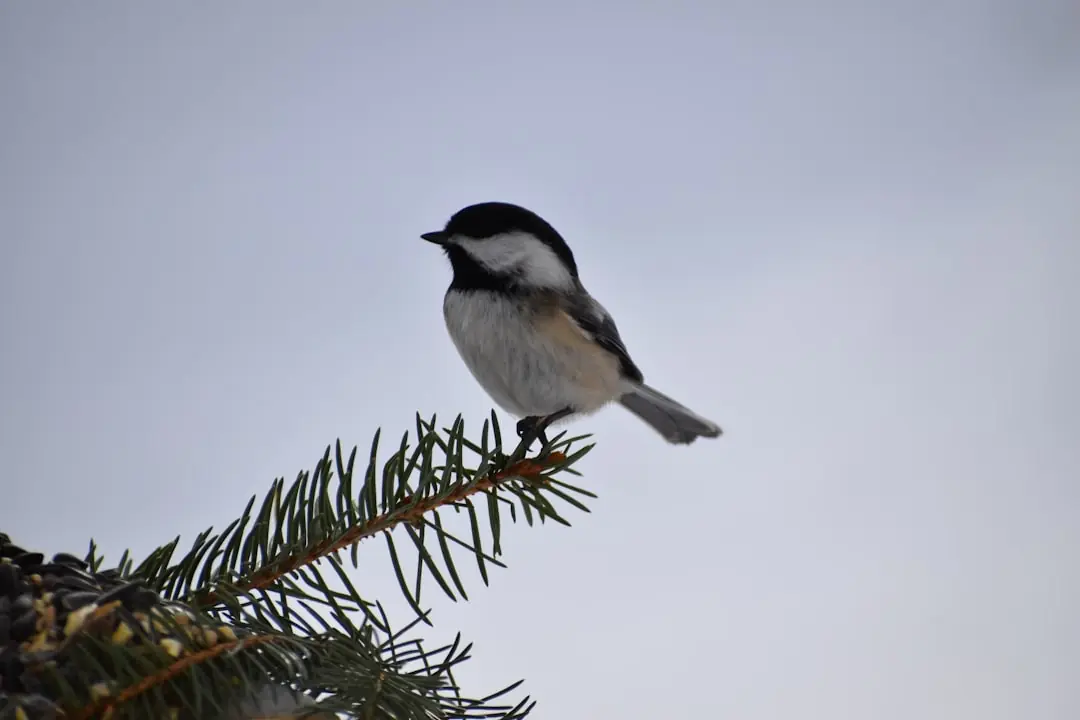
Cold snaps, freezing rain, wind, and deep snow can all increase feeder use. Extreme weather doesn’t create chickadees out of thin air, of course, but it makes reliable yards stand out. Older research summarized by Wisconsin forestry educators found that chickadees with access to supplemental winter food survived better during severe cold periods.
A 2021 Scientific Reports study found that bird-feeder cleaning reduced disease severity in rural birds, which matters even more when weather concentrates bird activity around a few feeding spots.
So, attracting chickadees Canada season after season isn’t just about feeding through blizzards. It’s about keeping those feeding stations safe when birds depend on them most.
How to Attract Chickadees to Your Yard
This is the nuts-and-bolts section—the part most people actually came for. You’ll want the right chickadee bird feeder, the right food, and a yard that feels safe enough for quick visits to turn into daily routines.
A quick, visual guide on three proven ways to attract feathered friends to your feeder. Using sunflower seeds and providing fresh water will make your yard a chickadee favorite.
Choosing the Right Chickadee Bird Feeder
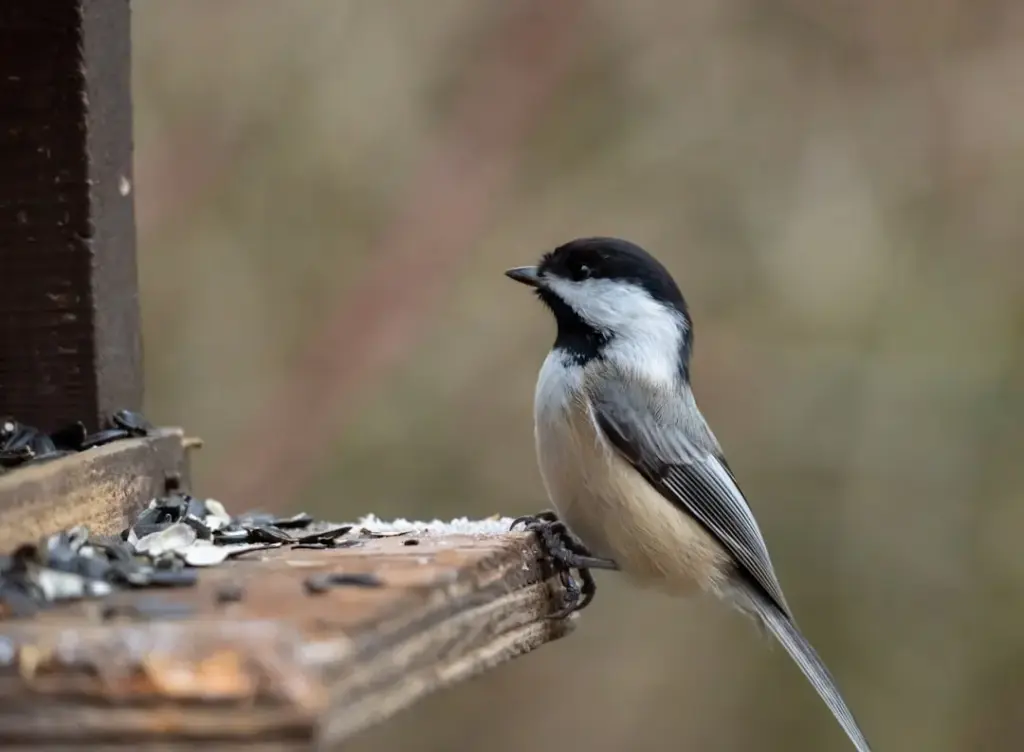
A chickadee bird feeder doesn’t need to be fancy, but it does need to suit how these birds feed. Chickadees prefer small perches, easy seed access, and nearby cover. Tube feeders with sunflower seed, small hopper feeders, and suet cages all work well.
Exposed bird feeders invite predators; stations near mature hardwood cover guarantee safe foraging.
Providing the Best Food for Chickadees
If you’ve wondered how to attract chickadees without buying ten different products, start with three staples: black oil sunflower seed, shelled sunflower chips, and suet in winter. Mountain Chickadee guidance from Cornell also notes feeder use for suet, black oil sunflower, and nyjer, though sunflower is still the safer everyday choice for most Canadian yards.
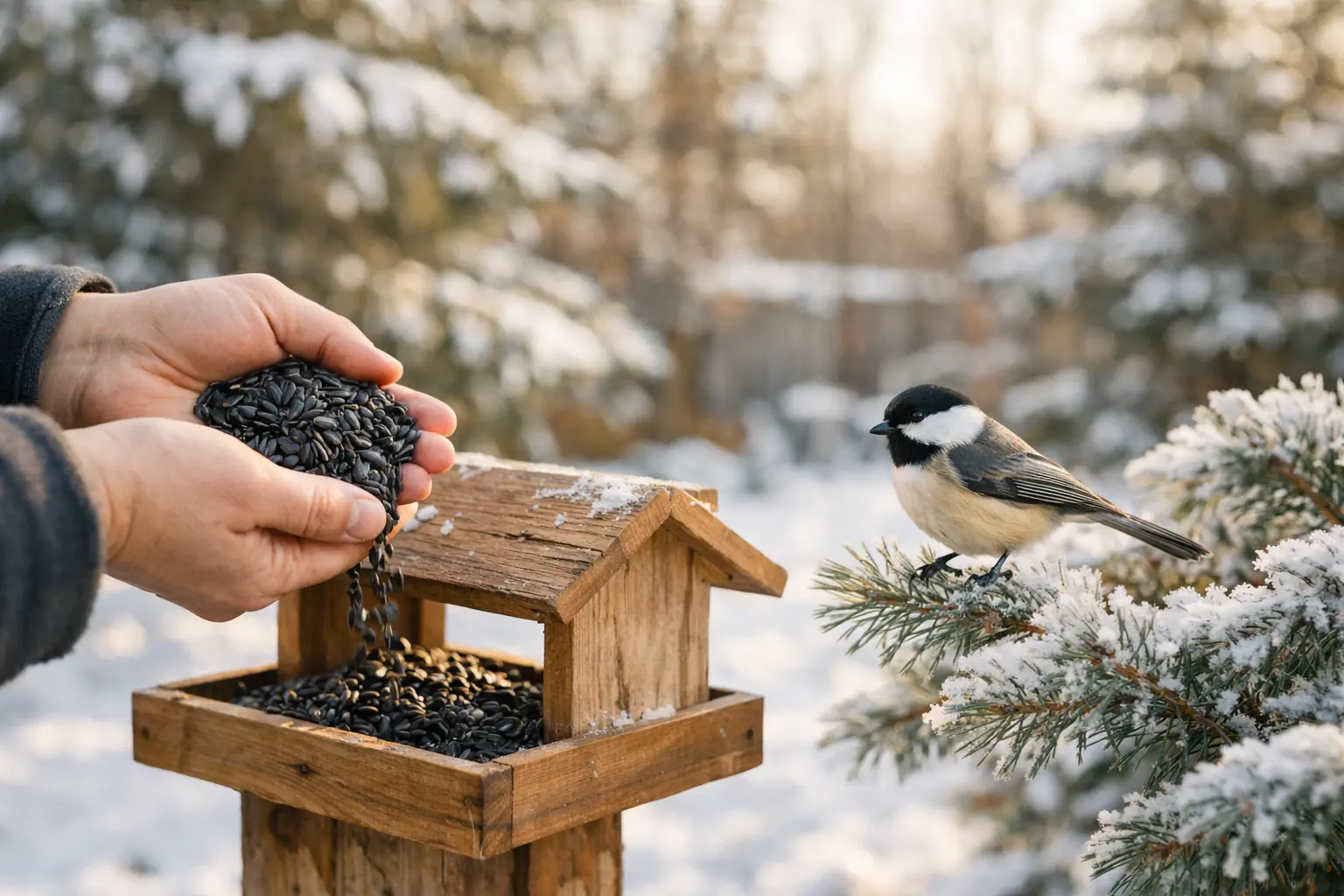
- Start with black oil sunflower seed. It has a soft shell and high oil content, which makes it easy for small birds to handle. This should be your default, not your backup.
- Add a suet option in cold weather. Place it in a simple cage feeder. When temperatures drop hard, chickadees often use it fast.
- Skip filler-heavy mixes. Milo, excess cracked corn, and low-value blends attract the wrong crowd or go stale. Better seed costs more per bag but less per useful visit.
- Offer peanuts carefully. Peanut chips or small pieces can work well, especially in winter. Keep them fresh and dry so they don’t spoil.
- Refill little and often. A half-empty feeder with fresh seed beats a full feeder of damp, old seed. Birds notice quality faster than we do.
Creating a Chickadee-Friendly Environment
A feeder gets attention. Cover gets trust. Chickadees like layered yards with native trees, shrubs, and places to shelter from wind and predators. Dead wood matters too, because cavity-nesting birds depend on natural holes and soft snags.
- Plant native trees and winter-hardy shrubs: Sterile lawns repel wildlife; native Canadian berry shrubs create vital insect ecosystems. They support insects, nesting cover, and safer movement through the yard. In Canada, prioritize berry-producing shrubs that hold fruit into winter, such as Serviceberry (Amelanchier), Dogwood (Cornus), and Winterberry, alongside mature oaks and willows.
- Leave some natural mess: Brush piles, seed heads, and a few standing dead stems can help more than over-tidying ever will.
- Preserve cavity options: Chickadees use holes in dead limbs and trees. Remove hazards, sure, but don’t erase every snag automatically.
- Reduce sudden disturbance: Repeated dog rushes, loud traffic points, or constant human movement near feeders can cut visits.
For related habitat ideas, consider linking your yard plan with native plants for Canadian backyards and best shrubs for backyard birds in Canada.
Setting Up the Perfect Chickadee Bird Feeder
Once you’ve picked food and habitat basics, setup becomes the difference between occasional luck and steady visits. This section looks at feeder types, where to place them, and how to keep them clean without turning the whole thing into a chore.
Types of Bird Feeders for Chickadees
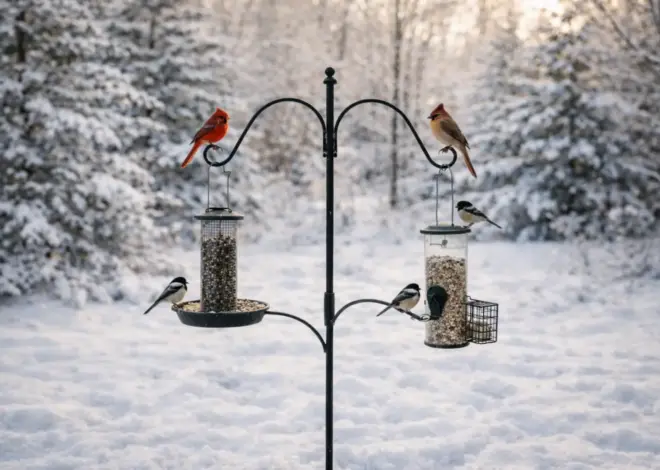
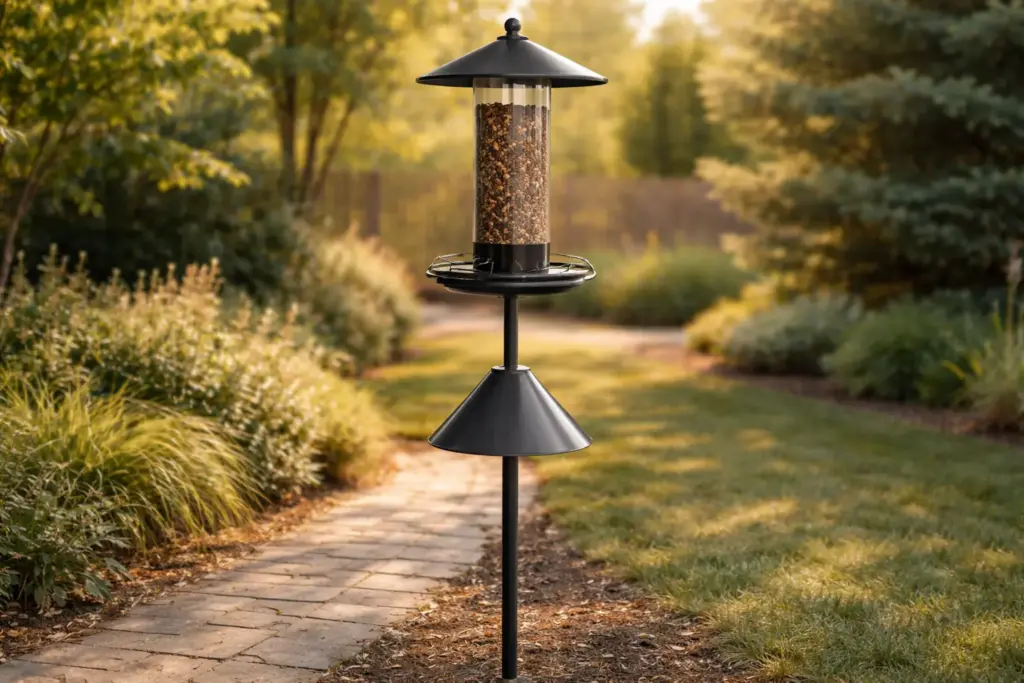
The best chickadee bird feeder is usually small, simple, and easy to clean. Tube feeders excel for sunflower seed. Suet cages work in cold months. Hopper feeders can also work, though larger birds may dominate them if ports are wide and seed spills heavily.
- Tube feeders: Great for sunflower seed and small bird access. They’re usually the easiest starting point.
- Suet cages: Best in fall and winter. They support energy needs when insects are scarce.
- Small hopper feeders: Useful if you want more capacity. They need closer cleaning attention, though.
Smart Bird Feeders (AI Bird ID)
In modern birdwatching, technology has bridged the gap between feeding and tracking. Smart bird feeders (like Bird Buddy or Netvue) equipped with AI cameras and weight-activated perches allow you to monitor chickadee visits right from your phone. You can easily identify specific species and track their seasonal patterns using integrated apps or standalone tools like the Merlin Bird ID app.
Placement Tips for Maximum Attraction
Put feeders near cover, but not so deep in branches that squirrels can jump directly onto them. A spot with morning light and some wind protection usually works well. And if window strikes worry you, place feeders very close to windows or far enough away to reduce collision risk.
“Black-capped Chickadee | Forests, woodlots, and yards with mature hardwood trees.” — Cornell Lab of Ornithology, NestWatch placement guidance
That NestWatch context is about nest boxes, but the principle carries neatly into feeder placement too: mature trees and edge habitat give chickadees confidence.
Maintenance and Cleaning of Bird Feeders
Dirty feeders are where good intentions go sideways. Moldy seed, damp hulls, and droppings can create real disease problems, especially when many birds concentrate in one spot.
Researchers publishing in Scientific Reports in 2021 found that cleaning bird feeders lowered disease severity in rural birds, reinforcing the value of routine sanitation rather than occasional panic-cleaning.
The Proper Cleaning Protocol
Clean your feeder on a schedule, not just when it looks awful. To prevent avian diseases, empty it completely and wash it using a 10% bleach solution (one part bleach to nine parts water) or a 50/50 mix of white vinegar and water. Scrub away debris, rinse thoroughly, and let it dry completely before refilling. Once a week is a solid baseline in wet weather or busy feeding periods, and it’s far easier than dealing with a sick flock.

Additional Tips for Enhancing Chickadee Visits
Once the basics are working, small upgrades can make your yard noticeably more attractive. Water, native plant choices, and even learning a bit about chickadee calls can change how often you notice them—and how often they trust the space.
Using Water Features to Attract Chickadees
Chickadees won’t ignore water just because they’re famous feeder birds. A shallow birdbath, dripper, or moving water source can draw them in, especially during dry spells or freeze-thaw periods when natural water is limited. Keep it shallow and clean; they’re there to drink and bathe, not paddle like ducks.
Winter Water Solutions
The biggest logical mistake backyard birders make in Canada is offering water that freezes solid by November. During the freezing winter months, a standard birdbath becomes useless. Freezing winter birdbaths fail; submersible de-icers guarantee liquid water for Canadian chickadees. This guarantees access to liquid water when natural sources are completely frozen.
Incorporating Native Plants and Trees
This is where attracting chickadees Canada becomes much more than seed management. Native trees like oak, birch, willow, and some region-appropriate conifers support insects that chickadees need, especially when feeding nestlings. Native shrubs also give them cover from predators and harsh weather.
Audubon’s summary of Smithsonian Migratory Bird Center research reported that chickadee populations remained stable only in landscapes with roughly 70% native plants, because those yards avoided becoming insect “food deserts.”
That finding came from Carolina Chickadees in the U.S., not a Canadian field trial. Still, the ecological lesson transfers well to Canadian wildlife gardening: native plants feed the insect base that feeds birds.
Understanding Chickadee Communication and Calls
Chickadee calls aren’t random chatter. Their famous chick-a-dee call can carry information about alarm, flock coordination, and social rank. That’s one reason other species often pay attention when chickadees start scolding.
A 2023 behavioral study reported that Black-capped Chickadees could distinguish naturally ordered from scrambled chick-a-dee calls, supporting the idea that call structure carries meaning rather than being mere noise.
Random backyard noise ignores threats; scolding chickadee calls provide critical ecological predator alerts.
Common Challenges and Solutions in Attracting Chickadees
Even a good setup can stall. Predators show up, squirrels raid feeders, weather ruins seed, and sometimes the birds simply vanish for a stretch. Here’s how to solve the usual problems without overcomplicating the whole hobby.
Dealing with Predators and Pests
House cats, squirrels, raccoons, and aggressive feeder birds can all reduce chickadee visits. The fix isn’t one gadget; it’s a layered approach. Move feeders away from ambush cover at ground level, use baffles where needed, and keep spilled seed from piling up under the station.
- Discourage cats: Keep pet cats indoors and avoid placing feeders beside dense low shrubs where predators can spring upward.
- Manage squirrels with tech: Passive baffles lose to squirrels; weight-activated smart feeders secure food for chickadees. Use weight-activated feeders that immediately close access when a heavy squirrel lands, combined with proper pole baffles placed at least 5 feet high. Otherwise, they’ll empty the buffet before chickadees arrive.
- Limit seed waste: Fallen seed attracts rodents and larger nuisance species. Clean beneath feeders often.
- Reduce crowding: Separate feeders by function so one chaotic station doesn’t drive away smaller birds.
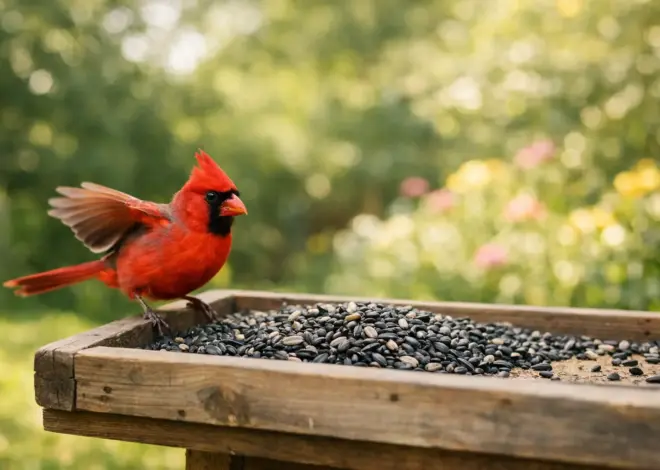
To further reduce crowding at your chickadee stations, consider setting up a specialized feeder for larger birds like cardinals in a different area of your yard.
Ensuring Year-Round Chickadee Visits
Consistency matters more than abundance. If your feeder is full one week and empty the next three, birds won’t build a habit around it. Keep food quality steady, keep water open when you can, and let the yard offer cover even outside winter.
For longer-term planning, readers often pair this with winter bird garden ideas for Canada. That kind of habitat-first approach helps when feeder traffic dips in summer and you start wondering what went wrong.
Troubleshooting Common Issues
No chickadees yet? Check the obvious first. Seed may be stale, feeders may be too exposed, or your yard may simply lack cover. And sometimes your mileage may vary by region; a downtown courtyard in Calgary and a wooded lot in Nova Scotia won’t produce identical results.
If visits drop suddenly, ask a few blunt questions: Has weather changed? Did a predator start lurking? Did snow bury nearby shrubs? Did you switch seed brands? Most problems aren’t mysterious once you stop treating the feeder as the whole story.
Benefits of Attracting Chickadees to Your Garden
Why bother with all this? Because chickadees bring more than a quick flash of motion at the feeder. They help with insect control, make a garden feel alive in every season, and turn a yard into better habitat for far more than one species.
Natural Pest Control by Chickadees
During the breeding season, chickadees hunt insects constantly. Caterpillars, spiders, larvae, and tiny invertebrates become essential food for adults and nestlings. That won’t replace every pest-control problem in a garden, no, but it’s a real ecological service—especially in native plantings where insect life is richer and more balanced.
The Joy of Birdwatching and Nature Interaction
There’s also the human side. Chickadees are often among the first birds to learn a yard, the first to test a new feeder, and the first to make winter feel less dead. Their confidence is oddly contagious. Once they trust your space, many other small birds follow.
“A feeder attracts attention; habitat earns loyalty.”
That’s the sentence most backyard birders learn eventually, usually after spending too much on seed and not enough on planting.
Contributing to Local Biodiversity
Attracting chickadees Canada style—through feeders, native plants, water, and safer cover—supports a broader web of backyard life. Mixed flocks, pollinators, beneficial insects, and cavity-nesting birds all benefit when you garden with local ecology in mind rather than aiming for a sterile landscape.
- More bird diversity: Chickadee-friendly spaces often also suit nuthatches, kinglets, and woodpeckers.
- Healthier insect cycles: Native plants help beneficial insects thrive, which feeds birds naturally.
- Better winter resilience: Sheltered yards buffer birds during cold Canadian weather.
- A more useful garden: Beauty matters, but a living garden does more than look tidy from the porch.
Ready to turn your Canadian backyard into a safe, year-round haven for chickadees? We know that balancing seasonal seeds, winter water heaters, and cleaning schedules can feel overwhelming. To make it simple, we’ve condensed everything into a printable, one-page guide.

FAQ
What is the best food for attracting chickadees in Canada?
Black oil sunflower seed is usually the top choice. Suet and peanut pieces also help, especially in cold weather when birds need more energy.
How to attract chickadees if they never stay at my feeder?
Place the feeder near shrubs or small trees so birds can grab a seed and retreat quickly. Fresh seed, nearby cover, and a clean chickadee bird feeder usually matter more than buying a larger feeder.
Is it worth feeding chickadees in summer?
Yes, though feeder use may be lighter. In summer, attracting chickadees Canada works best when feeders are paired with native plants, water, and nesting habitat.
Chickadee bird feeder vs suet cage: which is better?
A tube-style chickadee bird feeder is better for everyday sunflower feeding, while a suet cage shines in fall and winter. Most yards do best with both, not one or the other.
When is the best attracting chickadees Canada season?
Winter is usually the easiest season because natural food is limited and feeder visits are more obvious. Still, spring and summer habitat work often determines whether chickadees return year after year.
What changed the most in your yard—better seed, better cover, or native plants? Share what finally brought chickadees in, because one smart tweak can save another gardener a whole season of guesswork.
Sources
- Cornell Lab of Ornithology — Black-capped Chickadee Life History
- Cornell Lab of Ornithology — Mountain Chickadee Identification
- Cornell Lab of Ornithology — Chestnut-backed Chickadee Identification
- Cornell Lab of Ornithology — Boreal Chickadee Identification
- Environment and Climate Change Canada — List of Birds Protected in Canada Under the Migratory Birds Convention Act
- Cornell NestWatch — Nest Box Placement
- Audubon — How Chickadee Flocks Avoid Traffic Jams at Your Feeder
- Audubon — 11 Tips for Feeding Backyard Birds
- Scientific Reports, 2021 — Bird-feeder cleaning lowers disease severity in rural but not urban birds
- Audubon — Yards With Non-Native Plants Create Food Deserts for Bugs and Birds
- Behavioural Processes, 2023 — Black-capped chickadees discriminate between naturally ordered and scramble-ordered chick-a-dee calls